Case Studies

Strength of Additively Manufactured Parts

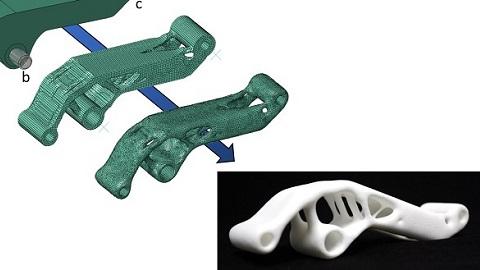
Veryst can predict the ultimate strength and failure modes of design concepts generated using topology optimization and produced using additive manufacturing. We use advanced finite element analysis (FEA) that accounts for the nonlinear behavior of the material being used to make the part.

Tempered and Plate Glass Fracture

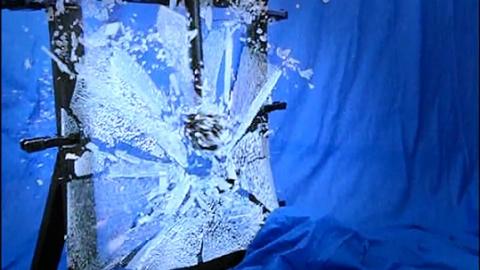
Tempered and plate glass are manufactured to produce very different fracture patterns when they break. Veryst can use this information to identify installed glass products and discuss the implications of their use.

Tensile Testing of Nitinol Wires

Shape memory alloys, like nickel titanium alloy (nitinol), are common in medical device applications. Nitinol is often used in fine wire form and can be difficult to test. Veryst has developed methods to test fine nitinol wires in uniaxial tension at different temperatures to obtain a stress-strain curve.
Testing of Climbing Shoe Rubbers

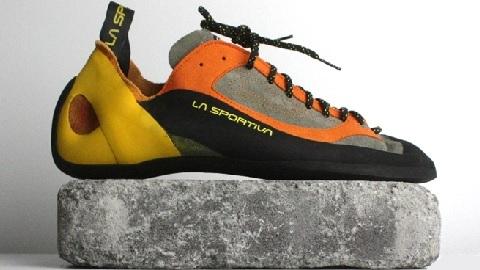
The material properties of a climbing shoe’s outsole rubber directly affect a rock climber’s performance. Veryst performed friction and compression testing of two climbing shoe rubbers to quantify and compare their performance.

Testing Polymers in Cryogenic Temperatures

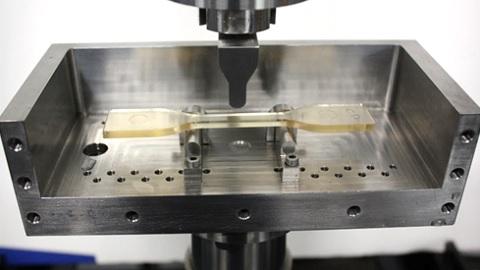
Many engineering applications require understanding the behavior of polymers under cryogenic temperature conditions. Veryst developed a test fixture and method to test materials submerged in liquid nitrogen (LN2) at its boiling temperature of -196°C.

Can we help? Just want to keep in touch?