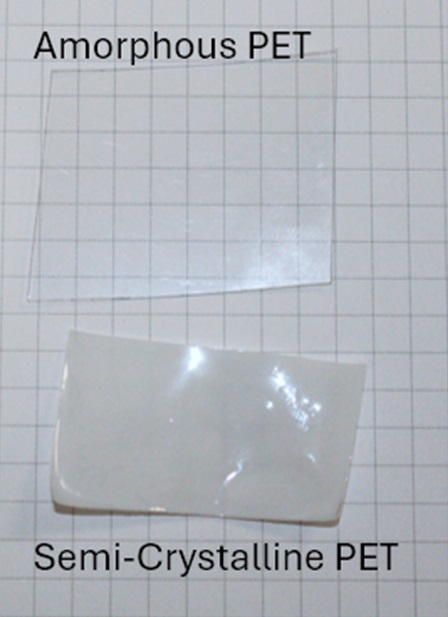
Designing Polymer Components for Thermal Environments: Failure Modes, Material Selection, and Testing
Free, One-hour Webinar
Thermal exposure is one of the leading causes of polymer component failure in service, yet material selection and design decisions often underestimate its impact. This webinar gives engineers a practical framework for evaluating thermal risk, selecting appropriate materials, and designing with confidence across a range of operating conditions.
Details
Course Instructor

Dr. Scott Grindy is a Lead Engineer at Veryst Engineering. Dr. Grindy’s expertise is in the design of functional polymeric materials through materials chemistry and structure. He has worked extensively with polymeric materials such as soft hydrogels, thermoplastics, photo-curing systems, and biodegradable polymers.
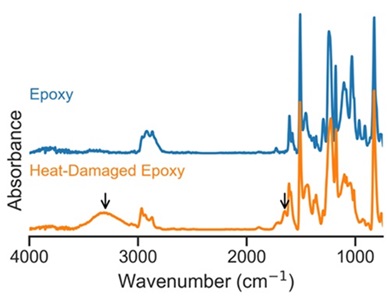
Dr. Grindy has experience using both mechanical characterization such as DMA (dynamic mechanical analysis) and rheology and analytical methods such as FTIR (Fourier-transform infrared spectroscopy), DSC (differential scanning calorimetry), and HPLC (high-performance liquid chromatography) to analyze materials in wide-ranging areas that include drug delivery, implantable biomedical devices, adhesives, and consumer products to understand how material structure and chemistry drives performance.
Prerequisites
This course is intended for mechanical or design engineers who may not have extensive experience with polymer materials.
Learning Objectives
You'll leave with actionable knowledge on:
• Why polymers fail under heat — and the structural mechanisms driving sensitivity, including backbone chemistry, crystallinity, and crosslink density
• How to use glass transition temperature (Tg) as a design input, not just a datasheet value
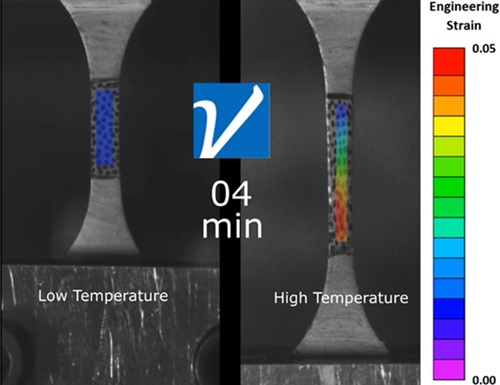
• Predicting failure modes in your application — creep, melting, and thermal degradation — and knowing which to prioritize based on load, time, and temperature profile
• Material comparison and testing methods — so you can make defensible selection decisions backed by data
Registration
The June 18, 2026 Designing Polymer Components for Thermal Environments: Failure Modes, Material Selection, and Testing web-based course is free, but registration is required and class size is limited.
If you have any questions, please email us at seminars@veryst.com
Deadline for registration is: Wednesday, June 17, 2026.
Cancellation Policy
Veryst reserves the right to reject registrations and to cancel a webinar based on class size.
Important Information
* You will receive an email confirmation once you have completed your registration.
* You will receive an email with login information the day before the webinar.